Archives 2020

KCSE Past Papers 2018 English Paper 1 (101/1)

KCSE Past Papers 2019 English Paper 1 (101/1)

KCSE Past Papers 2018 English Paper 1 (101/1)

(Comprehension, Literary Appreciation and Grammar) Nov. 2018 – 2 hours

Kenya Certificate of Secondary Education

2018 English Paper 1

1. A travelling theatre group is staging a performance of one of the literature set books in the local sub-county hall. Members of the drama club, the form three students and the form four students would want to watch the performance.

As the secretary of the drama club, write a letter to the principal asking for formal permission.

In your letter, give details about who will attend, the date and the time of the performance and the cost.You should also explain why the performane is important

2. Read the passage below and fill in each blank space with the most appropriate word. (10 marks)

Are leaders born or are they created out of circumstances and experience? The debate (3) .- …………. …….. this topic has gone on as long as the chicken-and-egg (b)………………………….. There are strong points for (c) ………………………..›.. side. For our purposes, we will say that the answer is a little bit of (d) ………………………….. Some individuals such as royalty are born and bred to (e) ………………………….. on leadership roles in later life. Other people develop into leaders over a sustained (f) ………………………….. of time. This is the type of leader (g) ………………………….. should all strive to become. All too (h) ………………………….. people find themselves in awe of great leader, wondering, “where do beings like these come from?” What these same individuals fail to realize is that (i) ………………………….. personality and luck can (j) ………………………….. to a leader’s success, those things are not the essence of what makes an exceptional leader.

(Adapted from: Everything Leadership Book by Bob Adams)

3. (a) Read the Poem below, and then answer the questions that follow.

A POISON TREE

I was angry with my friend;

I told my wrath, my wrath did end.

I was angry with my foe:

I told it not, my wrath did grow.

And I watered it in fears, Night and morning with tears; And 1 sunned it with smiles, And with soft deceitful wiles.

And it grew both day and night.

Till it bore an apple bright. And my foe beheld it shine, And he knew that it was mine.

And into my garden stole, when the night had veiled the pole; in the morning glad I see; My foe outstretched beneath the tree.

By William Blake

(i) Identify and explain any two features that Would make this poem easy to recite. (4 marks)

(ii) Describe the rhyme scheme of this poem. (3 marks)

(iii) In an oral performance of this poem, how would you say the last line? (2 marks)

(b) Paying attention to the vowel sound in each of the following words, pick the odd one out.(6 marks)

(i) scene, ship, these, bean, be

(ii) one, sun, put, ton, but

(iii) hal‘d, liort, firm, earn, fur

(iv) rode, coat, port, sew, know

(v) sit, nine, fight, eye, hide

(vi) soup, food, sue, root, good

(c) For each one of the woods below, provide another word which is pronounced in the same way but spelt differently. mite ……

rest…………….. ….

waist …. ……… ….. ..

stare ………………..

rain ……. … …… ..

(d) Read the dialogue below then answer the questions that follow. (5 marks)

Ms. Simiyu: Kantai:Good morning Kantai, why are you waiting outside? Good morning Madam. I was waiting to speak to you.

Ms. Simiyu: What is the problem this time? Are the boys in your class fighting again? There is no problem, Madam. My class sent me to ask you to allow them to attend the entertainment session tomorrow.

Kantai:You already know the answer to this, Kantai.

Ms. Simiyu: Your class had their turn last weekend.

Kantai:It is true Madam, we had our turn last weekend. But Madam, the video showing this weekend is based on one of our literature set texts. Here is the notice Madam.

Ms. Simiyu: Let me see it.

Kantai:Here, Madam.

Ms. Simiyu: Also Madam, we have come up with questions which we will answer and discuss in groups after matching the video.

Kantai:Where are the questions? Here they are Madam.

(i) What marks politeness in this negotiation?(2 marks)

(;i) What part in this negotiation Shows that Kantai had prepared his case well? (2 marks)

(iii) What in Ms. Simiyu’s behaviour encourages Kantai to continue with the negotiation? (2 marks)

Marking scheme English Paper 1 (101/1)

Expect a formal letter

(a)Writer’s address and format

(b)Date and format

(c)Recipient’s address and format

(d)Salutation – Dear sir, or Dear madam,

(e)Subject-‘Re’ must appear in subject, if not deny

(f)Content appropriate to instructions

(g)Complimentary close and signature

Language and mechanics of writing – (8 marks)

Award marks according to the linguistic ability of a candidate as follows:

Group D (01 — 02 marks)

Candidate does not communicate and their language ability is so minimal that the examiner has to guess what they intended to write.


  • Poor use of expressions Poor use of punctuation marks Hardly any correct sentences Spelling errors (Broken usage must be identified)Group C (03 — 04 marks)
  • Lack of confidence in language use Very simple sentences
  • All manner of grammatical errors
  • Mother tongue interference
  • Poor organization of ideas
  • Sentence construction errors- identify the word causing it and use marking symbolsGroup B (05 — 06 marks)

    Communicates fluently, with ease of expression

  • Well- constructed sentences
  • Good use of vocabulary Some errors (slips) Sentence varietyGroup A (07 — 08 marks)
  • Ease of expression with no errors of punctuation, spelling and grammar
  • Good planning/organization of ideas
  • Clever use of vocabulary and maturity in language use
  • Definite sparks
  • Items of merit- indicated by a tickCloze test

    2. a) on

    b) one

    c) each

    d) both

    e) take

    f) period

    g) we

    h) often

    i) although/though

    j) contribute

    3. (a)

  • The lines are simple and the language is not difficult — easy to read and remember.
  • There is regular repetition of words at regular predictable parts of the poem. For example stanzas, two, three and four start Wlth the word “And” and all the lines of stanza one with ‘I’.
  • The stanzas are of the same size; all have four lines.
  • The lines are basically of the same length.These characteristics give the poem a song-like pattern to which a performer can impose a tune (Any two (2) well explained points 2(two) marks each = (Total 4 marks).

    (ii) The rhyme scheme in all four stanzas is aabbccddeeffgghh. In stanza one we have ‘friend/end’ and foe/grow; in stanza two ‘fears/tears and ‘smiles/wiles; in stanza three ‘night/bright’ and ‘shine/mine’; in stanza four stole/pole’ and ‘see/tree’. (3 marks)

    (iii) In a celebratory tone. The persona has been plotting to kill the enemy for a long time and now his plans have borne fruit\ a smile to show contentment.

    It could be said in a falling or rising intonation (low-falling intonation suggests both the end of the poem and the sad message of death). Deliberate slow pace

    (iv) Use of gesture-e.g. outstretched hands to show how the foe stretched beneath the tree (2 marks, 1 mark for identification, and 1 mark for illustration/explanation) (Give reasons from the text to qualify the answers)

    3. (b) Picking out odd vowel sound. (6 marks)

    (i) ship;

    (ii) put;

    (iii) hard;

    ( iv) port

    ( v) sit

    ( vi) good

    3. (c) might; wrest; waste; stair; reign/ rein (5 marks)

    3. (d) (h) The teacher greets the student at the start of the dialogue to create rapport The student returns the greeting;

    The student addresses the teacher with respect throughout [Madam]. The teacher respects turn taking rules (Any 2 points)

    (ii) – He brought the notice of the meeting as proof that there will be a video.

    – He brought proof of his class’s preparation.

    – He had reasons why watching the video was important to them. (Any 2 points)

    (iii) She shows interest in the evidence Kantai has brought. She listens to him.

    – Courteously/politely responds to what Kantai says.

    – Let’s Kantai express himself.

    (iv) Varied, but must show completion of the negotiation.

    Suggestions: Teacher can express appreciation for what Kantai has done/commend him for thorough preparations and promise to try and get permission or exemption.

    Kantai thanks the teacher and makes/promises that the students will behave well. (2 marks each).


Top Ten Secondary Schools with the Best Drama Clubs in Kenya

With the Kenya Drama and Film Festival calendar approaching, we may quite-wrongly assume that acting is a waste of time in our rigorous education system. This is a perfect release and an avenue to showcase their talent and become paid actors in a country that has started appreciating art in all its forms.

Most of the school drama clubs that are famous in Kenya for their rigorous approach to stagecraft usually have the most passionate tutors and casting directors. Therefore, their good performances do not come as good luck or favor.

Here, we’re looking at some of the top secondary school drama clubs in Kenya and the different classes of items they’ve presented.

STATE HOUSE GIRLS

The Nairobi’s State House Girls drama club is reasonably-known for Its championship in Choral Verses over the years. The school not only roars in the Nairobi region but in Kenya as a whole. The school’s drama club made another history in 2019 when its coral verse carried the day at Kibabii University.

However, the school stages itself as one of the remarkably high-profile breeding ground for some of Kenya’s most successful stage and screen actresses. Edith Kimani is a product of this school.

ST MARY’S YALA

Located in Siaya County, the Legendary St. Mary’s Yala Drama Club is the epicenter of the spoken word gurus. The club won the spoken word competition at the national level in 2019. It is known for its efforts to make a success of most of the items it presents on stage.

NANYUKI BOYS HIGH SCHOOL
Nanyuki Boys is a school in the county of Laikipia that was started in the year 1965. The school drama club made a national brand after emerging the French play winner in 2019. The club stands as one of the best nationally as it always strives to present at least an item up to the national levels annually.

RIARA GIRLS HIGH SCHOOL
The school was founded in 2000 and has excelled both academically and in co-curricular activities. Riara High School drama club has been glowing on the national drama stages for years.

Their play ‘Camels of Tarbaj’ won numerous awards at the 2019 Bungoma national drama festival, including Best Item on the rights of children, Best Production, Best Play in English, Best Actor, Most Original Script, and Best Actress.

IKUU BOYS HIGH SCHOOL
The Ikuu Boys, situated in Meru County, is one of the top performers in the national drama festival. The school drama club, in 2019, participated in the French Choral verse competition and emerged one of the best nationally.
The continued efforts of the club over the years have seen it win various competitions in various item classes.

EREGI GIRLS HIGH SCHOOL
Eregi Girls high school is located in Chavakali, located in Ikolomani South near Maragoli Town, Ikolomani Constituency in Kakamega County. The school has been performing exceptionally in both academics and co-curricular sports for many years. It has one of the best-performing drama clubs in Kenya

In 2019, a member of the Eregi Girls drama club, Juliet Mukari, left the audience in stitches when she presented her Stand-Up comedy in the Kibabii University Hall. Her piece was based on the human behavior of someone who feels jealous of others whenever they succeed. This saw the club winning the competition.

KAPSABET BOYS
Kapsabet Boys High School is situated in Kapsabet, Emgwen Constituency, Nandi County. Alongside excellent academic performance, Kapsabet Boys has one of the best drama clubs in the country. The club has won several trophies over the years. In 2019, it was one of the best in spoken word pieces.

NG’IYA GIRLS
Ng’iya Girls High School is located in the Ng’iya Township, Siaya county. The school was founded in 1962.
The school boasts one of the best drama clubs in Kenya. The club has carried home several awards for years. The last award was in 2019 when the club emerged position one in the Creative Cultural Dance during the Kenya National Drama and Film Festivals.

MUTIGE BOYS SECONDARY SCHOOL
Mutige Boys Secondary is a Boys Only Boarding Only school located in the Gichugu constituency, Kirinyaga county. The school has an exemplary drama club. The award-winning club has passionate individuals who make it lively.
The club championed in Solo Verse at Kibabii University in the 2019 festivals.

MARYHILL GIRLS HIGH SCHOOL
Maryhill Girls High School is a girls’ national boarding school located in Thika and was founded in 1933. Its drama club is superb; it possesses the stage charisma. The club contains the Modern Dance queens, who won the game in the 2019 festivals.


TSC Boss Nancy Macharia Biography, Career, Education And Controversies

tsc nancy macharia

The no-nonsense approach by Teacher Service Commission (TSC) CEO Nancy Macharia on teachers affairs best exemplifies the quintessential iron lady. She has silenced the Kenya National Union of Teachers (KNUT) leadership and continues to steer the commission the best way she knows. She took over from Gabriel Lengoiboni who retired in 2015.

Age and Education Background

The TSC chief executive was born in 1963. In 1987, she graduated with a degree in Bachelor of Education in English/Literature. Ms. Nancy pursued a master of Education Policy and Management at Bristol University, UK.

Career

She started as a teacher at Kahuhia Girls’ Secondary in Murang’a before being promoted to deputy principal of Kiandeni Girls’ Secondary in the same county. The ambitious Ms Nancy quit as a teacher and took a job as a staffing officer. She later became director teacher management, reporting directly to the CEO. She was tasked with management of 4 senior deputies.

Background

The CEO position was advertised on May,1. It drew 69 candidates and 4 were shortlisted. After the grueling interviews, Nancy was appointed. She is the 9th person and 1st woman to hold this position.

Training

She has trained both locally and internationally in:
Business excellence models
Public procurement
Information Communication Technology(ICT)
Corporate governance
Proactive management
She is also a member of the Kenya Association of Public Administration Management(KAPAM) and institute of directors.

Controversies

Kenyans on Twitter have continuously bashed Nancy. A section of social media users castigated the CEO for being oblivious to the dangers teachers face working in North Eastern. Teachers in this region face hostility and even some are killed by Al Shabaab militants. The CEO, appeared before the National Assembly’s Education Committee and threatened them with interdiction if they absconded duty.

Achievements

In 2014, President Uhuru awarded her the Order of Grand Warrior. This was due to her development contribution both inside and outside the workplace.

She was part of the team that steered the national integrated data system for TSC. She also negotiated for funds from world bank.

In order to solve the ghost workers problem, she initiated the teacher management information system.

Hobbies

In her CV she cited the following hobbies: traveling, assisting the society’s less fortunate, gym, music and farming.

The number of teachers acquiring higher qualifications has gone up

The number of teachers acquiring higher qualifications has gone up, piling more pressure on the Teachers Service Commission (TSC) to fast track their promotions.

The 2020 Economic Survey data released yesterday shows the number of teachers who obtained degree level qualifications or higher went up by 6,662, translating to a 7 per cent increase.

This brings to 61,364 the number of teachers who have for the last three years upgraded their education. Overall, the survey says, the total number of teachers with degree qualification stands at 101,560 up from 94,898.

This means TSC may require additional resources to promote the teachers, who will scramble for limited slots. Promotion of teachers who have attained higher qualifications has been a sticky issue pitting the unions against TSC. The survey says the number of teachers with diploma qualifications or below is down by 698. TSC employs more than 300,000 teachers.

During the review period, according to the report, the number of teachers with bachelors’ degree accounted for 94.7 per cent of the total count of teachers. It says the number of teachers with postgraduate degrees has gradually declined to stand at 1,920 in 2019.

Last year only 4,312 teachers had diploma qualifications. The number has decreased by 16.2 per cent to 3,614.

The data shows that the total number of teachers increased by six per cent to 105,234 in 2019 from 99,272 in 2018. The number of male teachers accounts for 59.0 per cent of the total teacher population in 2019.

The data does not include teachers with certificate qualifications, which form the biggest chunk of teachers in public schools.

first Kenyan virtual graduation set in 2 weeks

The Dedan Kimathi University of Technology (DeKUT) is set to hold a virtual graduation ceremony for its students in two weeks, becoming the first Kenyan institution of higher learning to do so.

This comes amid a ban on public gatherings due to Covid-19.
Vice Chancellor Prof Ndirangu Kioni said the move follows requests from students.

“The students requested for the graduation ceremony because they wanted their certificates so that they can move on with their lives,” he said.

The virtual event that will be held on May 8 will see 1,777 students graduate in its 9th ceremony.

“The University Senate resolved to hold a virtual graduation in keeping with our student-centric approach. It was to ensure that we keep our promise to the students and graduands of DeKUT of timely completion of studies,” he said.

ONLY 15 PRESENT

“It will be a brief ceremony and will be attended by a maximum of 15 people spread out in our main hall. The deans will stay in their offices or wherever they will be and read out the names from there,” he said, adding that it will be streamed online.
The 15 will be the key people including the Chancellor, Vice Chancellor and members of Senate.

“The ceremony will be very brief and will follow all the laid out directives by the Ministry of Health. The short span will also discourage people congregating at any point,” he said.
The students will catch the ceremony online via the university’s YouTube, Facebook and Twitter platforms.

“In these uncertain times, it is hard to predict when the country will go back to normalcy so that a traditional graduation can be held…our graduands who worked hard to complete their studies should not suffer a delay,” said Prof Kioni.

“Our students in nursing and IT completed their studies last year but cannot secure employment for lack of the certificates yet their skills are needed during this period,” he added.
As part of preparations, the university has advised graduands to download their e-invitation cards from the student portal. They will follow the live event from wherever they will be. The graduands are required to part with between Sh3,100 (diplomas) and Sh6,100 (PhD).

The graduating class will receive their certificates after two weeks of the virtual graduation.

While student leaders seem to agree with the administration, some graduands are against virtual graduation. They have taken to Twitter and Facebook to oppose the graduation fee requirement.

Through #NoVirtualGraduation hashtag and WhatsApp groups, they questioned the rush to award certificates at a time when the pandemic has shut the economy. Hurbert Murende, a graduand said, “a virtual graduation is like being ripped off something that you are worth, it feels like watching a graduation on YouTube, which makes no sense.”
source DAILY NATION

Schools likely to reopen in June, exams still on – CS Magoha

cs magoha

Education Cabinet Secretary Prof. George Magoha on Sunday announced that the government had resolved to extend the nationwide school closure by one more month.

CS Magoha, addressing the press at Afya House during the daily Covid-19 briefings, hence intimated that the schools, which were initially set to reopen on May 4, could now resume operations in June.

The CS however added that the national examinations are however still on, saying any other decisions on the contrary will depend on the government’s ability to control the spread of the novel coronavirus.

He further stated that when the Kenya Certificate of Primary Education (KCPE) and Kenya Certificate of Secondary Education (KCSE) examinations are finally administered, learners will have been given enough time to make up for the time lost during the coronavirus outbreak period.

“For the past four weeks or so, the children have been on normal vocation; an activity that will end on May 4. In the interest of the safety and lives of our children, the government has decided to extend school closure for one month effective from the date of opening,” he said.

“During the intervening period, there will be many interventions that will depend on how the government is able to control this disease. I want to emphasize that whenever the examination is going to be administered, every Kenyan child will have been given the opportunity to cover whatever time that is lost before the said examination is administered.”

He added: “At this point, the government has not decided to postpone both the KCPE and KCSE. Let our children enjoy the last week on holiday, and then start the one month that has been added to them.”

Nova Pioneer Primary School Fees Structure 2020

Nova Pioneer Primary School Fees Structure 2020

This is the fees structure of Nova Pioneer Primary School as of 2020. It has two branches in Athi River and Tatu City. The Athi River campus is located near the Great Wall Apartments in Athi River. Both Campuses use the Kenyan national curriculum ( 8-4-4) for teaching. They are also day schools which admit boys and girls.

The schools are owned by Nova Pioneer Education Group,  a pan – African independent school network which also operates in South Africa.

Nova Pioneer Primary School Fees Structure 2020 – Tatu City & Athi River Campus

​​ 

Class

​​ 

Fees per term (Ksh)

​​ 

Playgroup

​​ (Age 3)

​​ 

67,900

​​ 

PrePrimary 1 (Age 4)

69,900

​​ 

PrePrimary 2 (Age 5)

​​ 

72,000

​​ 

Grade 1

81,900

​​ 

Grade 2

81,900

​​ 

Grade 3

90,700

​​ 

Grade 4

90,700

​​ 

Grade 5

100,900

​​ 

Meals (not optional)

​​ 

All grades

​​ 

13,500

Other fees (Ksh)

Enrollment fee (one time)

4,000

Paid to confirm placement following acceptance

Caution fee (one time, refundable)

10,000

To be returned upon graduation minus deductions for any damages

Administrative fee

1,800 / term

Teacher led-clubs fees, will be applied toward externally led club fees as applicable

Uniform

Variable

Details available from suppliers

Transport

Details provided separately

Bus and transport fees are provided separately and are commensurate to distance travelled

Nova Pioneer Primary School Admission Process

1. You will fill out an application form on the school’s website. Once your application is complete, you will receive an Applicant ID that will be your reference number in future correspondence.

2. A Nova Pioneer admissions associate will acknowledge receipt of your application and confirm whether there is space in the school and/or grade that you have shown an interest in.

3. You and your child will be invited for an interview and assessment. The aim of this assessment is to get insight into the student as an individual.

4. Following the assessment, you’ll hear from one of Nova Pioneer admissions officers letting you know whether you’ve been accepted. Admitted students will provisionally have a space reserved, to be confirmed upon payment a deposit.

5. Once a student has been accepted they will be expected to secure their spot by paying the following:

  • Enrollment Fee (one time, non-refundable) : KES 4,000.
  • Caution Fee (one time, refundable): KES 10,000 – to be returned upon graduation excluding any deductions made for damages caused during their Nova Pioneer tenure.

Please note that the fees are subject to change. Contact the school using the avenues below for fee policies and payments.

Nova Pioneer Athi River Contacts 

Phone: 0724 386 086

Email: admissions.athiriverprimary@novapioneer.com

Nova Pioneer Tatu City Contacts

Phone: 0799 453 440

Email: admissions.tatuprimary@novapioneer.com 

Brookhouse International School Fees Structure 2020

Brookhouse International School Fees Structure 2020

This is the fees structure of Brookhouse International School for the year 2020. It is located next to Nairobi National Park along Magadi Road in Nairobi’s leafy suburb of Karen; 15 minutes from Nairobi city center, and thirty minutes from Jomo Kenyatta International Airport. The prestigious school which was founded back in 1981 is by far one of the most popular and expensive educational institutions in the country. Brookhouse teaches using the British Curriculum in both of its campuses; Karen and Runda.

,000 paid once

​​ 

Caution Money for day students

​​ 

Ksh 100,000 paid once

​​ 

Caution Money for boarding students

​​ 

Ksh 200,000 paid once

​​ 

Caution Money for IFY students (refundable only upon progression to an NCUK university)

​​ 

​​ 

Ksh 100,000 paid once

​​ 

Transport (if required) – standard routes

​​ 

Ksh 52,500 per term

​​ 

Transport (if required) – door-to-door

​​ 

Ksh 72,500 per term

​​ 

Individual Music Lessons (instrumental or vocal)

​​ 

Ksh 14,000 per term

​​ 

Music Instrument Hire (payable to Brookhouse Schools)

​​ 

Ksh 8,000 per term

​​ 

Yearbook Fee (annual)

​​ 

Ksh 2,600 per year

​​ 

Kenya pupil pass and re-entry pass (non-Kenyans)

​​ 

Ksh 15,000

​​ 

Medical Cover for boarding students (optional)

​​ 

Ksh 72,500 per year

Please note that the fees are subject to change. Contact the school using the avenues below for fee policies and payments.

Brookhouse International School Contacts  

1.Karen Campus

+254 (0) 722 204 413 or +254 (0) 733 602 797

Email : admissions.karen@brookhouse.ac.ke

2. Runda Campus

+254 (0) 704 392 000 or +254 (0) 780 392 000

Email : admissions.runda@brookhouse.ac.ke

Kenyatta University Digital School Fees Structure 2020

Kenyatta University Digital School Fees Structure 2020

This is the fees structure of Kenyatta University Digital School of Virtual and Open Learning (DSVOL) as of 2020. The school was created on 30th June 2014 to leverage technology-enabled learning with a view to enhancing access to university education through Open and Distance Learning.

Through the digital school, learners are now able to learn from anywhere, anytime at their own schedule and pace. There are regional learning centres across Kenya to bring support services closer to the learners. These centres are located in Nairobi, Mombasa, Garissa, Embu, Nyeri, Nakuru, Kericho, Kisumu and Kakamega. Kenyatta University Digital School offers certificate, diploma and postgraduate programmes that we have listed below.

Course

​​ 

Fees Per Annum

​​ 

​​ School Of Economics

​​ 

Bachelor Of Commerce

​​ 

75,000

​​ 

Bachelor Of Human Resources

​​ 

75,000

​​ 

Diploma in Monitoring & Evaluation

​​ 

52,000

​​ 

Diploma in Huma Resource Management

​​ 

52,000

​​ 

Diploma in Project Management

​​ 

52,000

​​ 

​​ 

School Of Engineering & ​​ Technology

​​ 

Bachelor Of Science Information Technology

​​ 

75,000

​​ 

Diploma in Information Technology

​​ 

52,000

​​ 

School Of Agriculture & Enterprise Development

​​ 

​​ 

Bachelor Of Science Agribusiness Management

​​ 

75,000

​​ 

Bachelor Of Science Agriculture Resource Management

​​ 

75,000

Bachelor Of Science Dryland Agriculture & Enterprise Management

​​ 

75,000

​​ 

Bachelor Of Science Agricultural Education & Extension

​​ 

75,000

​​ 

Bachelor of Education Arts

​​ 

70,000

​​ 

Bachelor of Education Special Education

​​ 

70,000

​​ 

Bachelor of Education Early Education

​​ 

70,000

Bachelor of Education Science

70,000

Bachelor of Education Library Science

70,000

Bachelor of Library & Information Science

70,000

Bachelor of Science Records Management & IT

70,000

Diploma in Early Childhood Education

52,000

Diploma in Public Relations

52,000

Diploma in Special Needs Education

52,000

Diploma in Justice Information System

52,000

Diploma in Records Management & IT

52,000

Bachelor of Arts

70,000

Bachelor of Arts Psychology

70,000

Bachelor of Arts Gender & Development studies

70,000

Bachelor in Public Policy & Administration

70,000

Diploma in Disaster Management

52,000

Certificate in Sports Administration & Management,

33,400

Bachelor of ​​ Science Hospitality & Tourism

75,000

Diploma in Hospitality Management

52,000

Bachelor of Security Management & Policy studies

70,000

Diploma in Security Management & Policy studies

52,000

Diploma Programmes Offered at Kenyatta University Digital School

1.Diploma in Public Relations

Requirements

Mean grade of C (Plain) at KCSE or equivalent

OR Mean grade of C- (Minus) at KCSE or equivalent with certificate in related field from a recognized institution

Diploma Programmes Offered at Kenyatta University Digital School
1.Diploma in Public Relations

Requirements

Mean grade of C (Plain) at KCSE or equivalent

OR Mean grade of C- (Minus) at KCSE or equivalent with certificate in related field from a recognized institution

Tuition fees

East Africans Kshs. 52,000/- per annum
Non-East Africans Kshs. 65,000/- per annum
Statutory fees Kshs. 19,900/- per annum

2. Diploma in Guidance and Counselling

Mean grade of C (Plain) at KCSE or equivalent

OR Mean grade of C- (Minus) at KCSE or equivalent with certificate in related field from a recognized institution

Tuition fees

East Africans Kshs. 52,000/- per annum
Non-East Africans Kshs. 65,000/- per annum
Statutory fees Kshs. 19,900/- per annum

3. Diploma in Early Childhood Care and Education

Mean grade of C (Plain) at KCSE or equivalent

OR Mean grade of C- (Minus) at KCSE or equivalent with certificate in related field from a recognized institution

Tuition fees

East Africans Kshs. 52,000/- per annum
Non-East Africans Kshs. 65,000/- per annum
Statutory fees Kshs. 19,900/- per annum

4.Diploma in Disaster Management

Mean grade of C (Plain) at KCSE or equivalent

OR Mean grade of C- (Minus) at KCSE or equivalent with certificate in related field from a recognized institution

Tuition fees

East Africans Kshs. 52,000/- per annum
Non-East Africans Kshs. 65,000/- per annum
Statutory fees Kshs. 19,900/- per annum

5. Diploma in Security Management & Police Studies

Mean grade of C (Plain) at KCSE or equivalent

OR Mean grade of C- (Minus) at KCSE or equivalent with certificate in related field from a recognized institution

Tuition fees

East Africans Kshs. 52,000/- per annum
Non-East Africans Kshs. 65,000/- per annum
Statutory fees Kshs. 19,900/- per annum

6. Diploma in Crime Management and Prevention

C or Div III or an Equivalent certificate.

Tuition fees

East Africans Kshs. 52,000/- per annum
Non-East Africans Kshs. 65,000/- per annum
Statutory fees Kshs. 19,900/- per annum

7. Diploma (Tourism Management)

Mean grade of C (Plain) at KCSE or equivalent with at least grade C- (Minus) in Mathematics and C (Plain) in any three (3) of the following subjects;- Biology/ Biological Sciences, Geography/History, Business Studies/Computer Studies, English/Foreign Languages

OR Mean Grade of C- (Minus) at KCSE or equivalent with a Certificate in relevant field from a recognized institution

Tuition fees

East Africans Kshs. 52,000/- per annum
Non-East Africans Kshs. 65,000/- per annum
Statutory fees Kshs. 19,900/- per annum

8.Diploma in Monitoring and Evaluation

Mean grade of C (Plain) at KCSE or equivalent

OR Mean grade of C- (Minus) at KCSE or equivalent with a Certificate in relevant area from a recognized institution

OR A holder of KACE with One Principal and One Subsidiary

Tuition fees

East Africans Kshs. 52,000/- per annum
Non-East Africans Kshs. 65,000/- per annum
Statutory fees Kshs. 19,900/- per annum

9.Diploma in Project Management

Mean grade of C (Plain) at KCSE or equivalent

OR Mean grade of C- (Minus) at KCSE or equivalent with a Certificate in relevant area from a recognized institution

OR A holder of KACE with One Principal and One Subsidiary

Tuition fees

East Africans Kshs. 52,000/- per annum
Non-East Africans Kshs. 65,000/- per annum
Statutory fees Kshs. 19,900/- per annum

10. Diploma in Information Technology

Mean grade of C (Plain) at KCSE or equivalent with C (Plain) in Mathematics and English.

OR Mean grade of C- (Minus) at KCSE or equivalent with certificate in related field from a recognized institution.

Tuition fees

East Africans Kshs. 52,000/- per annum
Non-East Africans Kshs. 65,000/- per annum
Statutory fees Kshs. 19,900/- per annum

Undergraduate Programmes Offered at Kenyatta University Digital School
1. Bachelor of Library and Information Science

Mean grade of C+ (Plus) at KCSE or equivalent

OR Mean grade of C (Plain) at KCSE or equivalent, with a Diploma in Library Science and/or Information Science or Archives Administration from a recognized institution

OR Mean grade of C- (Minus) at KCSE or equivalent with Certificate and Diploma in relevant field from a recognized institution

Tuition fees

East Africans Kshs. 70,000/- per annum
Non-East Africans Kshs. 93,800/- per annum
Statutory fees Kshs19, 900/- per annum

2. Bachelor of Education (Library Science)

Mean grade of C+ (Plus) at KCSE or equivalent

OR Mean grade of C (Plain) at KCSE or equivalent, with a Diploma in Library Science and/or Information Science or Archives Administration from a recognized institution

OR Mean grade of C- (Minus) at KCSE or equivalent with Certificate and Diploma in relevant field from a recognized institution

Tuition fees

East Africans Kshs. 75,000/- per annum
Non-East Africans Kshs. 93,800/- per annum
Statutory fees Kshs19, 900/- per annum

3. Bachelor of Science ( Records Management and Information Technology)

Mean grade of C+ (Plus) at KCSE or equivalent

OR Mean grade of C (Plain) at KCSE or equivalent, with a Diploma in Library Science and/or Information Science or Archives Administration from a recognized institution

OR Mean grade of C- (Minus) at KCSE or equivalent with Certificate and Diploma in relevant field from a recognized institution

Tuition fees

East Africans Kshs. 75,000/- per annum
Non-East Africans Kshs. 93,800/- per annum
Statutory fees Kshs19, 900/- per annum

4.Bachelor of Education (Early Childhood Education)

Mean grade of C+ (plus) at KCSE or equivalent

OR Mean grade of C (plain) at KCSE or equivalent with ECE Diploma from a recognized institution or P1 certificate

OR Mean grade of C- (Minus) at KCSE or equivalent with Certificate and Diploma in relevant field from a recognized institution

Tuition fees

East Africans Kshs. 70,000/- per annum
Non-East Africans Kshs. 87,500/- per annum
Statutory fees Kshs19, 900/- per annum

5. Bachelor of Education (Special Needs Education)

Mean grade of C+ (plus) at KCSE or equivalent with at least C+ in one of the following subjects; English/Kiswahili, Math/Biology and any Arts subjects

OR Mean grade of C (plain) at KCSE, or Division III at KCE or equivalent or one (1) Principal pass and one (1) Subsidiary pass at KACE and be holders of P1, S1 or Diploma in Special Education credentials from a recognized institution with at least two (2) years teaching experience after training.

OR Mean grade of C- (Minus) at KCSE or equivalent with Certificate and Diploma in relevant field from a recognized institution

NB: Students will specialize in any of these areas: Emotional and Behaviour Disorder, Physical and other Handicaps, Mental Retardation and Pervasive Development Disorder, Learning Disabilities.

Tuition fees

East Africans Kshs. 70,000/- per annum
Non-East Africans Kshs. 87,500/- per annum
Statutory fees Kshs19, 900/- per annum

6. Bachelor of Education (Arts)

Mean grade of C+ (plus) at KCSE or equivalent with at least C+ (plus) or equivalent in two subjects of career choice

OR Mean grade of C (Plain) at KCSE or Division III at KCE or equivalent or one (1) Principal pass and one (1) Subsidiary pass at KACE and be holders of P1, S1, or Diploma in Education from a recognized institution

OR Mean grade of C- (Minus) at KCSE or equivalent with Certificate and Diploma in relevant field from a recognized institution

NB: Two Teaching subjects and Education units are done in this degree programme.

Tuition fees

East Africans Kshs. 70,000/- per annum
Non-East Africans Kshs. 87,500/- per annum
Statutory fees Kshs19, 900/- per annum

7.Bachelor of Education (Science)

Mean grade of C+ (plus) at KCSE or equivalent with at least C+ (plus) or equivalent in two subjects of choice

OR Mean grade of C (Plain) at KCSE or Div. III at KCE or equivalent with P1 Certificate or Diploma in Science Education or KACE with two (2) principal passes and one (1) subsidiary.

OR Mean grade of C- (Minus) at KCSE or equivalent with Certificate and Diploma in relevant field from a recognized institution.

In addition, the applicants must have obtained grade C (plain) or equivalent in Mathematics at KCSE

NB: Two Teaching subjects and Education units are done in this degree programme.

Tuition fees

East Africans Kshs. 70,000/- per annum
Non-East Africans Kshs. 87,500/- per annum
Statutory fees Kshs19, 900/- per annum

8. Bachelor of Education in Home Economics

Mean grade of C+ (plus) at KCSE or equivalent with at least C+ (plus)

Tuition fees

East Africans Kshs. 70,000/- per annum
Non-East Africans Kshs. 87,500/- per annum
Statutory fees Kshs19, 900/- per annum

9. B.Ed Home Economics – Fashion Design and Marketing

Mean grade of C+ (plus) at KCSE or equivalent with at least C+ (plus)

Tuition fees

East Africans Kshs. 70,000/- per annum
Non-East Africans Kshs. 87,500/- per annum
Statutory fees Kshs19, 900/- per annum

10.Bachelor of Education- Business Studies

Mean grade of C+ (plus) at KCSE or equivalent with at least C+ (plus)

Tuition fees

East Africans Kshs. 70,000/- per annum
Non-East Africans Kshs. 87,500/- per annum
Statutory fees Kshs19, 900/- per annum

11. B.ED in Educational Communication Technology

Mean grade of C+ (plus) at KCSE or equivalent with at least C+ (plus)

Tuition fees

East Africans Kshs. 70,000/- per annum
Non-East Africans Kshs. 87,500/- per annum
Statutory fees Kshs19, 900/- per annum

12. B. ED in Environmental Education

Mean grade of C+ (plus) at KCSE or equivalent with at least C+ (plus)

Tuition fees

East Africans Kshs. 70,000/- per annum
Non-East Africans Kshs. 87,500/- per annum
Statutory fees Kshs19, 900/- per annum

13.B. Education Foundation

Mean grade of C+ (plus) at KCSE or equivalent with at least C+ (plus)

Tuition fees

East Africans Kshs. 70,000/- per annum
Non-East Africans Kshs. 87,500/- per annum
Statutory fees Kshs19, 900/- per annum

14.B.ED in Educational Psychology

Mean grade of C+ (plus) at KCSE or equivalent with at least C+ (plus)

Tuition fees

East Africans Kshs. 70,000/- per annum
Non-East Africans Kshs. 87,500/- per annum
Statutory fees Kshs19, 900/- per annum

15. B. Ed (Arts): Educational Management, Policy & Curriculum

Mean grade of C+ (plus) at KCSE or equivalent with at least C+ (plus)

Tuition fees

East Africans Kshs. 70,000/- per annum
Non-East Africans Kshs. 87,500/- per annum
Statutory fees Kshs19, 900/- per annum

16. B. Ed (Science) Educational Management, policy & curriculum

Mean grade of C+ (plus) at KCSE or equivalent with at least C+ (plus)

Tuition fees

East Africans Kshs. 70,000/- per annum
Non-East Africans Kshs. 87,500/- per annum
Statutory fees Kshs19, 900/- per annum

17. B.ED in Kiswahili, History, Geography, Literature, Foreign languages, English and Linguistics, Philosophy and religious studies

Mean grade of C+ (plus) at KCSE or equivalent with at least C+ (plus)

Tuition fees

East Africans Kshs. 70,000/- per annum
Non-East Africans Kshs. 87,500/- per annum
Statutory fees Kshs19, 900/- per annum

18. B.Sc in chemistry, Physics, Zoological Sciences, Plant sciences, Mathematics

Mean grade of C+ (plus) at KCSE or equivalent with at least C+ (plus)

Tuition fees

East Africans Kshs. 70,000/- per annum
Non-East Africans Kshs. 87,500/- per annum
Statutory fees Kshs19, 900/- per annum

19.B.Ed in Chemistry, Physics, zoological Sciences, Plants Sciences

Mean grade of C+ (plus) at KCSE or equivalent with at least C+ (plus)

Tuition fees

East Africans Kshs. 70,000/- per annum
Non-East Africans Kshs. 87,500/- per annum
Statutory fees Kshs19, 900/- per annum

20.Bachelor of Arts

Mean grade of C+ (plus) at KCSE or equivalent with at least C+ or equivalent in three subjects chosen from English, Kiswahili, Literature, History and Government, Geography, Mathematics, Christian Religious Education, Islamic Religious Education.

NB: Three subjects are done in this degree programme.

Tuition fees

East Africans Kshs. 70,000/- per annum
Non-East Africans Kshs. 87,500/- per annum
Statutory fees Kshs19, 900/- per annum

21. Bachelor of Security Management & Police Studies

Mean grade of C+ (plus) at KCSE or equivalent

OR Mean Grade of C (Plain) with a Diploma (Passed with Credit) in any field of study from a recognized institution with at least two (2) years working experience in a relevant field e.g. Policing, Crime Investigation, Rehabilitation, Security Management

OR Mean grade of C- (Minus) at KCSE or equivalent with Certificate and Diploma in relevant field from a recognized institution

Tuition fees

East Africans Kshs. 70,000/- per annum
Non-East Africans Kshs. 87,500/- per annum
Statutory fees Kshs19, 900/- per annum

22. Bachelor of Public Policy and Administration (BPPA)

Mean grade of C+ (plus) at KCSE or equivalent with at least C- (Minus) in Mathematics and C (plain) in English at KCSE

OR Mean grade of C (Plain) at KCSE or equivalent with at least C- (Minus) in Mathematics and C (plain) in English at KCSE with a Diploma (Passed with Credit) in a relevant field from a recognized institution

OR Mean grade of C- (Minus) at KCSE or equivalent with Certificate and Diploma in relevant field from a recognized institution

OR Kenya Advanced Certificate of Education (A’ Level) with two (2) principal passes and a credit pass in Mathematics at Kenya Certificate of Education (O’ Level).

Tuition fees

East Africans Kshs. 70,000/- per annum
Non-East Africans Kshs. 87,500/- per annum
Statutory fees Kshs19, 900/- per annum

23. Bachelor of Commerce

Mean grade of C+ (plus) at KCSE or equivalent with at least C (plain) in both Mathematics and English

OR Mean grade of C (plain) at KCSE with Diploma in a relevant field from a recognized institution OR CPA/CPS Part II with at least C (plain) in both Mathematics and English

OR Mean grade of C- (Minus) with Certificate and Diploma in relevant field from a recognized institution with at least C (plain) in both Mathematics and English

OR Advanced Level Certificate with two (2) principal passes and one (1) subsidiary pass with a credit pass in Mathematics at ‘O’ Level certificate or Degree from a recognized university

Students will specialize in any of the following areas: Accounting , Finance, Marketing ,Human Resource Management , and Management Science

Tuition fees

East Africans Kshs. 75,000/- per annum
Non-East Africans Kshs. 93,800/- per annum
Statutory fees Kshs19, 900/- per annum

8. Bachelor of Commerce (B.Com)-Accounting Option

Mean grade of C+ (plus) at KCSE or equivalent with at least C (plain) in both Mathematics and English

Tuition fees

East Africans Kshs. 75,000/- per annum
Non-East Africans Kshs. 93,800/- per annum
Statutory fees Kshs19, 900/- per annum

24. Bachelor of Commerce (B.Com)-Finance Option

Mean grade of C+ (plus) at KCSE or equivalent with at least C (plain) in both Mathematics and English

Tuition fees

East Africans Kshs. 75,000/- per annum
Non-East Africans Kshs. 93,800/- per annum
Statutory fees Kshs19, 900/- per annum

25.Bachelor of Commerce (B.Com) -Marketing Option

Mean grade of C+ (plus) at KCSE or equivalent with at least C (plain) in both Mathematics and English

Tuition fees

East Africans Kshs. 75,000/- per annum
Non-East Africans Kshs. 93,800/- per annum
Statutory fees Kshs19, 900/- per annum

26. Bachelor of Commerce (B.Com)-Human Resource Management Option

Mean grade of C+ (plus) at KCSE or equivalent with at least C (plain) in both Mathematics and English

Tuition fees

East Africans Kshs. 75,000/- per annum
Non-East Africans Kshs. 93,800/- per annum
Statutory fees Kshs19, 900/- per annum

27. Bachelor of Commerce (B.Com) -Management Science Option

Mean grade of C+ (plus) at KCSE or equivalent with at least C (plain) in both Mathematics and English

Tuition fees

East Africans Kshs. 75,000/- per annum
Non-East Africans Kshs. 93,800/- per annum
Statutory fees Kshs19, 900/- per annum

28. Bachelor of Commerce: Procurement and Supply Chain Management Option (B.Com)

Mean grade of C+ (plus) at KCSE or equivalent with at least C (plain) in both Mathematics and English

Tuition fees

East Africans Kshs. 75,000/- per annum
Non-East Africans Kshs. 93,800/- per annum
Statutory fees Kshs19, 900/- per annum

29.Bachelor of Economics

Mean grade of C+ (Plus) at KCSE or Equivalent with at least C+ (Plus) or equivalent in Mathematics

OR Mean grade of C (plain) at KCSE or equivalent with a Diploma in a relevant field of study from a recognized institution with at least C+ (Plus) or equivalent in Mathematics

OR Mean grade of C- (Minus) at KCSE or equivalent with Certificate and Diploma in relevant field of study from a recognized institution with at least C+ (Plus) or equivalent in Mathematics

OR At least two (2) principal passes and one (1) subsidiary pass at KACE (‘A’ Level) with at least a credit pass in Mathematics at KCE (‘O’ Level).

Tuition fees

East Africans Kshs. 75,000/- per annum
Non-East Africans Kshs. 93,800/- per annum
Statutory fees Kshs19, 900/- per annum

30. Bachelor of Science

Mean grade of C+ (plus) at KCSE or equivalent with at least C+ or equivalent in three subjects chosen from Mathematics, Physics, Chemistry, Biology (Botany/Zoology) and Geography with at least grade C (Plain) or equivalent in Mathematics at KCSE

NB: Three subjects are done in this degree programme.

Tuition fees

East Africans Kshs. 75,000/- per annum
Non-East Africans Kshs. 93,800/- per annum
Statutory fees Kshs19, 900/- per annum

31.Bachelor of Information Technology

Mean grade of C+ (Plus) at KCSE or equivalent with at least C+ (Plus) in Mathematics and English

OR Mean grade of C (Plain) at KCSE or equivalent with Diploma in Information Technology or related field from a recognized Institution with at least C (Plain) or equivalent in Mathematics at KCSE

OR Mean grade of C- (Minus) at KCSE or equivalent with Certificate and Diploma in relevant field from a recognized institution with at least C (Plain) or equivalent in Mathematics at KCSE

Tuition fees

East Africans Kshs. 75,000/- per annum
Non-East Africans Kshs. 93,800/- per annum
Statutory fees Kshs19, 900/- per annum

32.Bachelor of Science (Agribusiness Management and Trade)

Mean grade of C+ (Plus) at KCSE or equivalent with at least C+ in Mathematics and in any two (2) subjects chosen from the following alternatives:

Alternative A:
Biology
Chemistry
Agriculture
Geography Alternative B:
Physical sciences
Biology
Agriculture or Geography
Business Studies or Home Science

OR Mean grade C (plain) at KCSE or equivalent with a Diploma in a relevant field from a recognized institution.

OR Mean grade of C- (Minus) at KCSE or equivalent with Certificate and Diploma in relevant field from a recognized institution

OR KACE or its equivalent with two (2) principal passes and one (1) subsidiary in relevant Science subjects

Tuition fees

East Africans Kshs. 75,000/- per annum
Non-East Africans Kshs. 93,800/- per annum
Statutory fees Kshs19, 900/- per annum

33. Bachelor of Science (Crop Improvement & Protection)

Mean grade of C+ (Plus) at KCSE or equivalent with at least C+ in Mathematics

Tuition fees

East Africans Kshs. 75,000/- per annum
Non-East Africans Kshs. 93,800/- per annum
Statutory fees Kshs19, 900/- per annum

34. Bachelor of Science (Crop Science)

Mean grade of C+ (Plus) at KCSE or equivalent with at least C+ in Mathematics

Tuition fees

East Africans Kshs. 75,000/- per annum
Non-East Africans Kshs. 93,800/- per annum
Statutory fees Kshs19, 900/- per annum

Please note that the fees are subject to change. Contact the school using the avenues below for fee policies and payments.

Kenyatta University Digital School Contacts

Phone: 0719 739 438

Email: dean-dsvol@ku.ac.ke
Lycee Denis Diderot International School Fees Structure 2020

Lycee Denis Diderot International School Fees Structure 2020

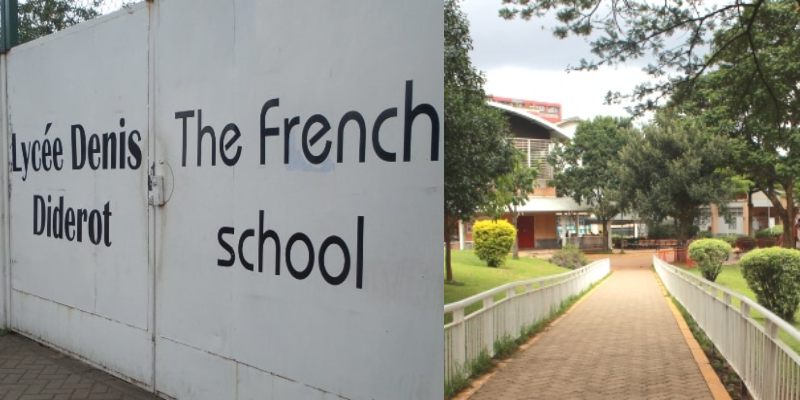
This is the fees structure for the Lycee Denis Diderot International School as of 2020. It’s a French school that is located along Argwings Kodhek Road next to Yaya Center in Nairobi. Founded in 1962, the French School is one of the oldest international schools in Kenya.

The French school hosts close to 650 students between the ages of 3 and 18 years from more than 50 countries. It is also is a member of AEFE (Agency for French Education Abroad), the largest network of schools with more than 495 schools in 137 countries. Through this association, it enjoys technical and financial support from the French government thereby allowing it to charge affordable fees.

French and Kenyan students pay slightly less given the fact that the two Governments directly or indirectly contribute to the cost of education.

Lycee Denis Diderot teaches in accordance with the principles of the French school system. The primary school consists of kindergarten, which takes in children from 3 to 6 years of age (3 school years), and elementary school which takes in children from 6 to 11 years of age (5 school years). Schooling continues at the middle school from 11 to 15 years of age (4 school years ), and then at the high school from 15 to 18 years (3 school years).

Below is the Fees structure for Lycee Denis Diderot International School in Kenyan Shillings per year.

Level

Fees

Nationality

​​ 

​​ 

Kindergarten

688, 960

French & Kenyans​​

850, 084

Other Nationalities

​​ 

​​ 

Elementary Primary

729, 756

French & Kenyans

899, 741

Other Nationalities

​​ 

​​ 

College Secondary

829, 245

French & Kenyans

1, 020, 732

Other Nationalities

​​ 

LYCEE Secondary

1, 108, 896

French & Kenyans

1, 367, 261

Other Nationalities

Other Fees: Yearly billing

First registration fee: Ksh 94, 400

Examination fees: Ksh 46, 700

SIB registration fee: Ksh 45, 200

Please note that the fees are subject to change. Contact the school using the avenues below for fee policies and payments.

Lycee Denis Diderot International School Contacts

Phone: (+254) 020 2437714

Email: assist-direction2.nairobi.diderot@aefe.fr